




The Real Reason Pringles Aren’t Actually Potato Chips!
The Real Reason Pringles Aren’t Actually Potato Chips!
Thanks to their unique shape, Pringles have always stood out from the pack. According to Delish, they were originally sold as “Newfangled Potato Chips” before being rebranded Pringles. The product was reportedly designed to address many of the problems so often associated with potato chips: Namely, they can be greasy. They can get stale. And they can break into pieces far too easily. But no… not Pringles. They really are the perfect snack when you just gotta have some crunch, right?
Due to their innovative design and distinctive packaging, there’s always been some confusion as to whether Pringles can even be considered potato chips at all. According to Taste of Home, “potato” isn’t even listed as one of Pringles’ ingredients, only “dehydrated processed potato.” In 1975, the Food and Drug Administration ruled that the company would have to change the packaging, unless they were willing to say that they used this dried potato ingredient in lieu of real potatoes. The brand decided to go with “potato crisps” instead of “potato chips” to get around the FDA’s pesky rules, a move that eventually caused a few issues across the pond. After all, in Great Britain, all potato chips are called “crisps.”
In 2009, Procter & Gamble, the company that makes Pringles, reportedly reasoned that they weren’t actually making “potato crisps,” and their reasoning there is rather hard to believe. According to How Stuff Works, they argued that
“[Pringles didn’t] contain enough potato to have the quality of ‘potatoness.'”
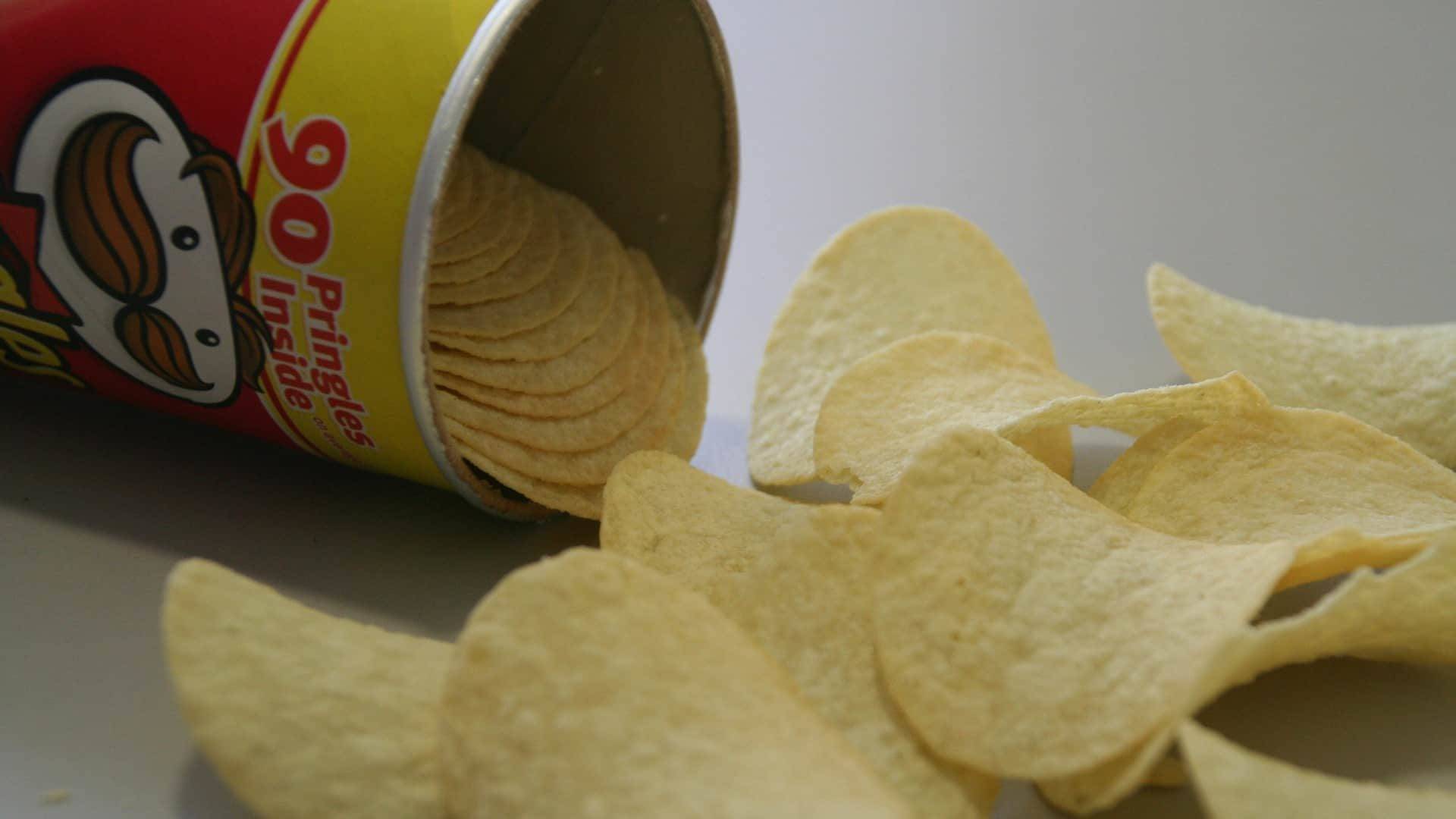
According to Gizmodo, a rather involved process goes into creating Pringles’ striking, stackable shape. Unlike other potato chip brands, Pringles are made with a mixture of potato flakes, rice, wheat, and corn, which is rolled out into super-thin layers and then cut into an oval shape.
As we mentioned, Pringles were invented to address the problem of potato chip’s fragility and propensity for getting all busted up at the bottom of the bag. According to Snack History, the company first employed an organic chemist named Fred Baur to solve this issue. Baur spent two years using supercomputers to figure out the best possible size and shape for this inventive new chip and its groundbreaking tube-shaped packaging. The dimensions he settled on were aerodynamically designed to result in the least possible amount of breakage.
Of course, nobody’s perfect. Baur reportedly got stumped on what particular flavor profile these chips should have, and Procter & Gamble subsequently enlisted researcher Alexander Liepa to pick up where he left off. According to Snack History, “After over nearly a decade from the start of its development, Pringles potato chips were released to the public in the year 1967.”
Today, Pringles are enjoyed in more than 140 countries around the world. Show of hands: How many of you have the fever for the flavor of a Pringle?


